
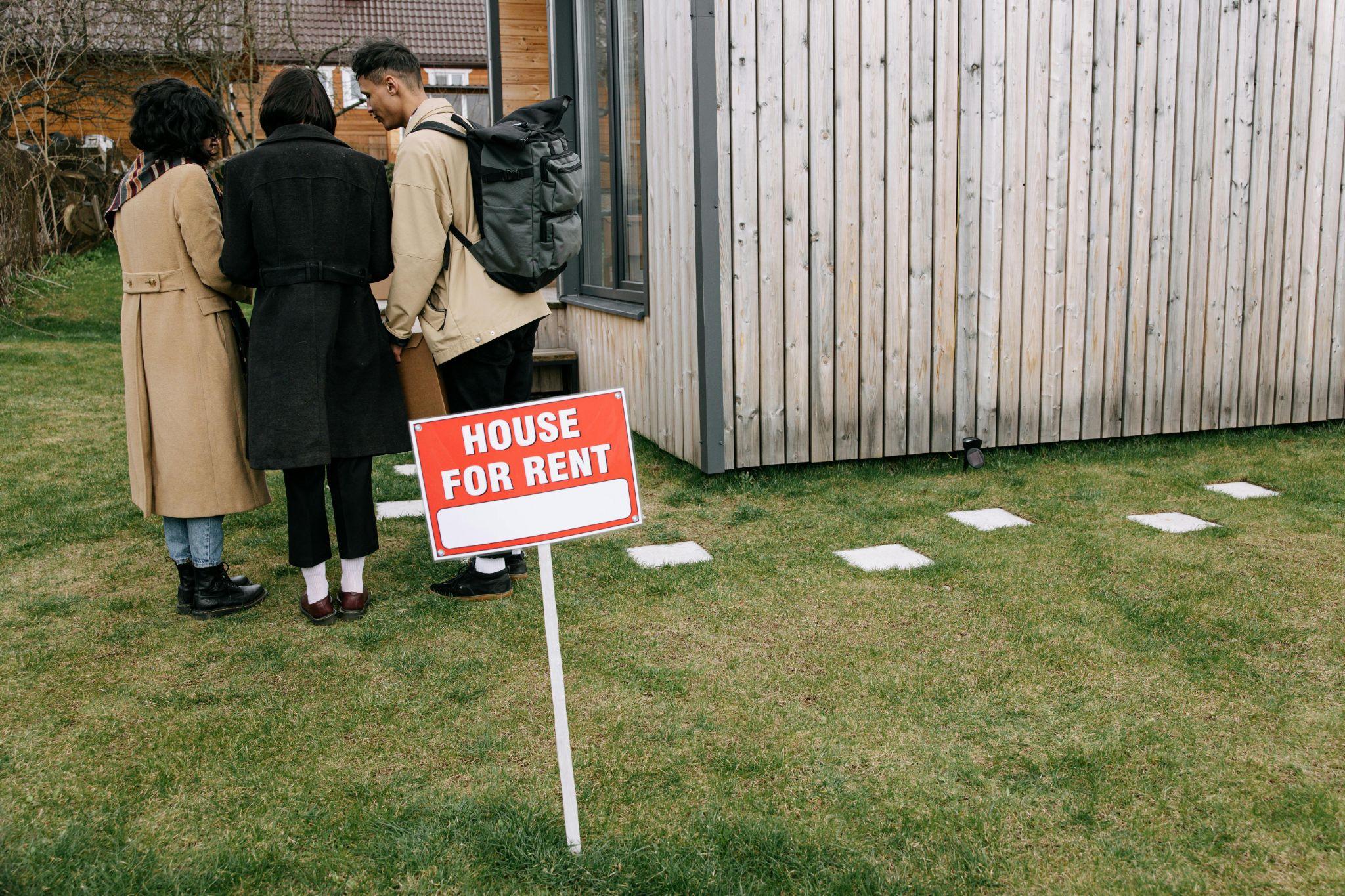
In the US, landlords collected $428 billion in rent in 2024, and landlords owned 68.7% of residential properties, according to Property Management. Knowing this, you’d imagine that with a high portion of Americans renting their home, finding the right tenants will be really easy?
However, it is not always as simple as “I have a vacant property”. There are numerous variables that will impact whether or not you can successfully let your property to renters and whether or not out finding the right renters in the first place.
You need to get eyes on your property, or rather, its listing, so you’re not left paying for a unit sitting empty and not bringing money in. But can you do this effectively without paying for premium listings when you advertise your property? You absolutely can, let’s take a look.
List Across Multiple Platforms
If your listing is only in one or two places, then you’re going to be limiting who sees the vacancy and who applies for it.
Different renters will look in different places; those looking to relocate for work will search for rentals in different places than students looking for short-term accommodation, and local tenants might browse local or community platforms to find what they need.
And if you’re not covering all of your bases, this is restricting who can see your property. Finding the right rental websites and pushing out your listing to all the applicable sites removes this issue entirely.
Because when you do this, it isn’t just exposure you gain; it is a different type of exposure, it’s a curated audience you’ll find. This drastically increases your chance of finding the perfect tenant.
Write a Listing That Converts
Here is the thing, your listing needs to capture people’s attention. It’s not romanticising things here; it’s not about creating award-winning written content. It’s about being thorough, including all the relevant details, and shining a positive light on the property without lying, covering things up or omitting important details.
When you create your property listing, you need to be specific. You need to know how the property is actually suited for, what day-to-day living here looks like, and what is and isn’t included.
Once you know this, you can tailor the listing to that audience.
Remove any ambiguity or vague phrasing from the write-up, too. That means no “spacious property” but giving exact measurements. No “close to transport links” but “with a 5-minute walk from [transport hub or station].”
From here, you need to pay attention to the filters people will use to search for properties that match their needs.
“Ideal for working professionals” isn’t going to cut it, but “ideal for working professionals needing quick access to [insert station]” does. Wording such as “ private entrance,” “off street parking,” etc all work with filters to direct people to suitable rental properties, so you need to create your listing with this in mind.
Take Photos to Compete with Premium Listings
Here’s the thing: you need to compete with premium listings without paying the premium price. And this starts with your images.
The property needs to be captured in its best light, and your images need to be as high-quality as possible. Because listings that have the best images get eyes on them first
Online, people are automatically drawn to listings with properties that look good. This is what catches their attention before anything else.
Do your photos look weaker than those listed around them? People will skip over yours in favor of the images that look good. It’s really that simple.
You don’t need professional photos, but you do need to match the standards. These tips can help you out.
- Bright natural light where possible
- Wide angles that show the full room
- Clean uncluttered spaces
- Clear shots of key areas like the kitchen and bathroom
When you take your pictures, compare them to other listings. Do they match the quality? Are you getting the angles right? Or do you need to take them at a different time of the day?
This comparison means you can avoid uploading pictures that won’t capture people’s attention, or rather give out a poor first impression, and make it visible for all the right reasons.
Refresh the Listing Before it Drops
A good trick for avoiding having to pay for a premium listing is to make sure it’s visible for as long as possible.
This means refreshing it frequently. Because if you don’t, as new listings are added, yours will be pushed down and will gradually disappear. And even if nothing is wrong, it’s going to get fewer views, and people will automatically pay attention to newer listings.
Keep an eye on the listings and close to the top of the searches on platforms where your property is, and how often new listings are pushing yours down the line.
Then update it. It might be tweaking the description. Updating photos or simply reporting if it’s allowed. You might be able to do this once a week or every couple of weeks, as per the platform rules. But not doing it is just going to result in your property sitting empty for longer.
Respond to Tenant Enquiries Fast
When people are looking for new rentals, usually, time is of the essence. Meaning, if you’re not acting fast, someone else will be able to offer the tenant a property because you delayed in acting.
The thing is, your listing won’t be the only one they’re responding to. They’ll respond to multiple and give themselves options. And the first landlord to respond clearly and helpfully is the one going to be getting the first refusal or acceptance upon viewing.
If your replies are delayed, vague, or inconsistent, the prospective renters won’t hang around. It will be a red flag, and they’ll move on
You need a simple, structured response system.
- Confirm availability
- Answer key questions directly
- Offer viewing items immediately
It’s not about you being available 24/7; it’s about not letting good enquiries slip through your fingers.