
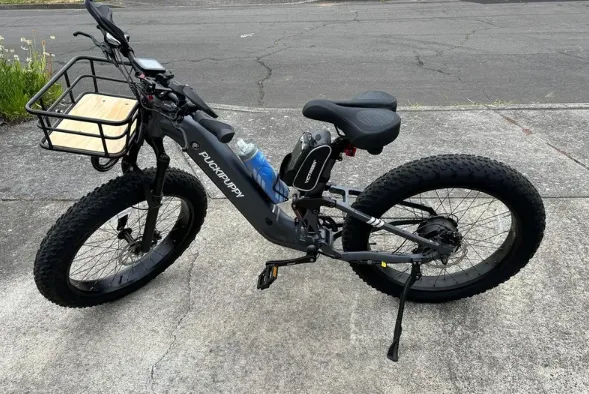

Electric fat tire bikes have become increasingly popular among cyclists, adventurers, and outdoor enthusiasts due to their versatility, stability, and power. These bikes are designed to handle a variety of terrains, including sand, snow, mud, rocky trails, and even urban streets. Choosing the right adventure-ready electric bikes can be overwhelming given the wide range of models available, but understanding the key features to consider will ensure you make a smart investment. This guide will walk you through the top features to look for in an electric fat tire bike and help you select the perfect model for your riding needs.
Table of Contents
Motor Type and Power
The motor is the heart of any electric fat tire bike. There are two main types of motors:
Hub Motors: Located in the wheel hub, these motors are usually more affordable and require less maintenance. They provide sufficient power for casual riders and light off-road use.
Mid-Drive Motors: Positioned at the crank, mid-drive motors offer better torque and hill-climbing capability, making them ideal for serious off-road adventures or carrying heavy loads.
Motor power is typically measured in watts (W). For electric fat tire bikes, a motor between 500W and 1600W is common. Higher wattage provides more acceleration, better climbing ability, and improved handling on rough terrain.
Battery Capacity and Range
Battery capacity, measured in watt-hours (Wh), determines how far the bike can travel on a single charge. A larger battery allows for longer rides and more challenging terrain.
Typical battery sizes: 500Wh – 1000Wh
Range: Depending on terrain, rider weight, and pedal-assist settings, most electric fat tire bikes can travel 60–130 miles per charge.
Look for removable batteries for easy charging and replacement, especially if you plan to use your bike for long adventures or in remote locations.
Tire Size and Traction
Fat tires are the defining feature of these bikes, usually ranging from 4 to 5 inches in width. Wide tires provide:
Improved traction on loose surfaces (sand, snow, mud)
Enhanced stability for riders of all skill levels
Natural shock absorption for a smoother ride
Tread patterns also matter. Aggressive knobs provide better grip on rough terrain, while smoother patterns roll faster on paved roads.
Frame Material and Design
The frame should be durable yet lightweight. Common materials include:
Aluminum: Lightweight, corrosion-resistant, and strong—ideal for most riders.
Steel: Heavier but more durable; suitable for riders who prioritize strength over weight.
Some bikes feature step-through frames for easier mounting and dismounting, especially helpful for beginners or riders with limited mobility.
Suspension Systems
Suspension improves comfort and control on uneven terrain:
Front Suspension (Hardtail): Provides shock absorption on the front wheel, suitable for moderate off-road trails.
Full Suspension: Front and rear suspension for maximum comfort on rough trails and rocky paths.
Choose a suspension system based on the terrain you plan to ride most often.
Braking System
Electric fat tire bikes are heavier than traditional bicycles, so strong brakes are essential.
Hydraulic Disc Brakes: Offer consistent stopping power and better control in wet or muddy conditions.
Mechanical Disc Brakes: Easier to maintain but less powerful than hydraulic systems.
Reliable brakes are crucial for safety, especially when descending steep trails or carrying heavy loads.
Pedal-Assist and Throttle Modes
Most electric fat tire bikes come with pedal-assist modes that provide varying levels of motor support. Some models also feature a throttle mode for full motor-powered riding without pedaling.
Pedal-assist modes help conserve battery, extend ride distance, and provide exercise while still offering assistance on challenging terrain.
Payload Capacity
Fat tire bikes are designed to carry riders and cargo efficiently. Typical payload capacities range from 300–400 pounds. Some models include:
Rear racks for cargo
Pannier mounts for backpacks or hunting gear
Front baskets for additional storage
Consider your intended use and whether you will need to carry equipment or groceries regularly.
Accessories and Customization
Many electric fat tire bikes offer accessories to enhance usability and comfort:
Integrated lighting for night riding
Fenders to protect from mud and water
GPS mounts or phone holders for navigation
Storage racks or cargo attachments
Customizable options make your bike more practical for commuting, off-road adventures, or hunting trips.
Design and Aesthetics
While performance is critical, the bike’s design and aesthetics matter to many riders. Look for a bike that reflects your style, whether it’s rugged and camouflage for off-road adventures, sleek and modern for city commuting, or colorful and fun for recreational rides.
Maintenance and Durabil
A well-built electric fat tire bike will last for years with proper care. Regular maintenance includes:
Checking tire pressure and tread
Inspecting brakes and cables
Cleaning and lubricating the drivetrain
Storing the battery properly
Investing in a durable bike ensures long-term reliability and reduces repair costs over time.
Price and Warranty
Electric fat tire bikes vary in price depending on features, motor power, battery size, and build quality. While high-end models may cost more, they often come with:
Longer battery life
Better motor performance
Stronger frames
Comprehensive warranties
Balance your budget with the features you value most to find the best bike for your needs.
Conclusion
Electric fat tire bikes offer a unique combination of power, stability, and versatility that make them ideal for a wide range of riders. By considering motor type, battery capacity, tire size, frame material, suspension, brakes, payload, and accessories, you can select the perfect bike for your riding style and terrain.If you’re interested in this type of electric fat tire bikes , you can visit websites that offer high-quality models, such as Puckipuppy.