

As cities around the world accelerate their transition toward low-carbon development, people’s choices in transportation are quietly shifting. Cars are no longer the optimal option for daily commuting, and traditional electric bikes face increasing limitations due to their bulk and speed constraints. Among all emerging alternatives, lightweight Electric bikes have quickly become a major force in promoting low-carbon urban mobility, thanks to their light weight, high efficiency, and strong adaptability.
An Electric bike is not just a lighter version of an electric vehicle—it represents a new type of transportation aligned with the future of urban life. 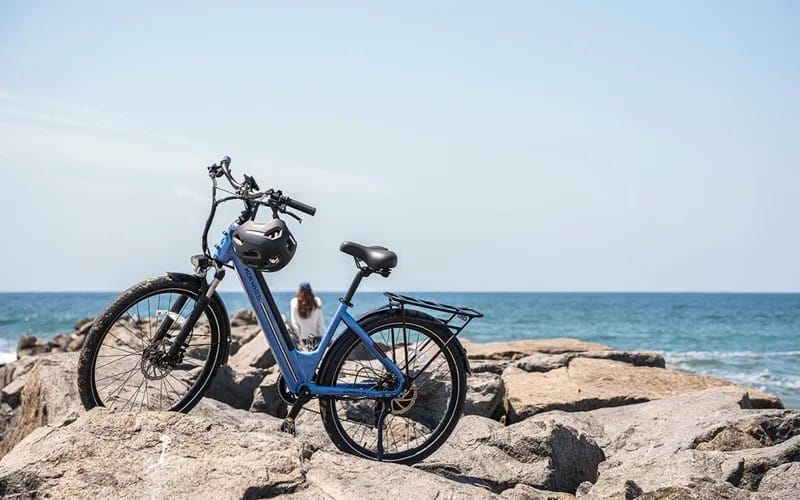
Table of Contents
Lightweight Design Makes Low-Carbon Mobility Truly Sustainable
Lightweight Electric bikes stand out primarily because they are light. Traditional electric bikes often weigh over 25 kg, while lightweight models typically range from 14–18 kg—or even less.
This reduction in weight not only improves the riding experience but also significantly enhances energy efficiency.
A lighter frame means less load on the motor, enabling longer range use with the same battery capacity. It also extends battery life and reduces charging frequency, further minimizing overall energy consumption.
In major cities where carbon emissions are tracked with increasing precision, lightweight Electric bikes essentially multiply a city’s energy-saving capacity. Each rider reduces not only electricity usage but also contributes directly to environmental protection.
Higher Commuting Efficiency Encourages People to Choose Green Transportation
For low-carbon transportation to be widely adopted, it must be more convenient than traditional options. Lightweight Electric bikes excel because they give riders full control over their commute.
Their compact structure makes it easy to navigate through congested areas, bypass heavy traffic, and maneuver comfortably through narrow streets. Quick acceleration helps maintain a smooth pace in stop-and-go conditions. Compared to the unpredictability of public transit or the stress of traffic jams in cars, lightweight Electric bikes allow commuters to reclaim control over their time.
Even more importantly, they integrate seamlessly with buses and subways. Their reduced weight makes lifting or pushing effortless, enabling a flexible “bike + public transit” travel mode that significantly lowers commuting costs and carbon emissions.
This combination of ease and freedom is what helps green mobility shift from being a policy initiative to becoming a real part of everyday life.
A Leading Example of the Lightweight Trend: How MOKWHEEL Enhances Low-Carbon Urban Commuting
Among the global rise of lightweight Electric bikes, MOKWHEEL has become a widely recognized brand. Its lightweight series not only excels in overall weight control but also optimizes energy efficiency, power response, and urban adaptability—making it especially suitable for users seeking “low-carbon + high efficiency” commuting.
MOKWHEEL uses high-strength aluminum alloy frames and high-efficiency motor systems to deliver outstanding energy performance. The lightweight design ensures agile handling during starts, turns, and crowded streets. Meanwhile, features such as smart displays, advanced battery management systems, and puncture-resistant tires elevate the overall user experience.
As a result, MOKWHEEL’s lightweight Electric bikes are not only a green commuting tool but also a more relaxed and enjoyable option for modern urban living.
Urban-Friendly and Exempt from Restrictions—The Ideal Complement to Future Transportation Systems
Many cities regulate electric motorcycles or high-powered electric vehicles, but lightweight Electric bikes are typically classified as non-motorized vehicles, giving them more flexible access. They are allowed on bike lanes, greenways, and neighborhood streets, and they can bypass many traffic restrictions, including congestion controls and peak-hour bans.
As cities strive to reduce car usage and build safer transportation environments, lightweight Electric bikes fill the ideal gap between short- and medium-distance commuting. They are becoming an essential component of upgraded, sustainable urban mobility systems.
Simplified Structure Reduces Maintenance Hassle—Making Low-Carbon Commuting Easier
Many people fail to maintain green commuting habits because traditional vehicles require too much upkeep. Lightweight Electric bikes, however, are built around the idea of “simplicity.” Their designs often feature belt-drive or single-speed systems that require little to no maintenance. Batteries and wiring systems are also highly integrated, greatly reducing the number of potential failure points.
Lighter components naturally experience less wear and tear, cutting maintenance costs and giving users peace of mind. For time-pressed urban residents, the easier a vehicle is to use and care for, the more likely they are to stick with low-carbon commuting.
Lightweight Electric Bikes Are Shaping a New Urban Lifestyle
The rise of lightweight Electric bikes represents not only technological progress but also a shift in lifestyle. They reduce energy consumption while transforming how people navigate cities: travel routes become more flexible, physical strain decreases, parking becomes easier, and the daily living radius expands—significantly boosting time efficiency.
Most importantly, they make “low-carbon living” feel effortless. It becomes a more comfortable, flexible, and enjoyable way of life rather than a sacrifice.
As future mobility systems evolve, they will increasingly rely on compact, efficient micromobility devices—and lightweight Electric bikes will undoubtedly remain one of the most essential components.
A Future-Proof Solution for Sustainable Urban Mobility
Lightweight Electric bikes are becoming a vital low-carbon mobility solution because they satisfy three core needs simultaneously: environmental protection, efficiency, and convenience. They are lighter than traditional electric vehicles, require less effort than conventional bicycles, offer more freedom than cars, and provide more control than public transportation.
As cities continue moving toward sustainability and residents increasingly value efficient, eco-friendly lifestyles, lightweight Electric bikes stand out as both a practical and forward-looking mobility choice. 
Frequently Asked Questions
How much does a lightweight Electric bike usually weigh? Is it enough for daily commuting?
Most lightweight Electric bikes weigh between 14–18 kg, far lighter than traditional electric vehicles. This makes them easier to carry, take upstairs, and bring onto subways. Their low weight also improves energy efficiency and range, making them ideal for 5–20 km commutes.
Does being lightweight mean the bike lacks power?
No. Reduced weight decreases motor load, making power output more efficient. Brands like MOKWHEEL tune their lightweight models specifically for urban riding, offering quick starts, responsive acceleration, and smooth uphill performance—perfect for city commuting.
How far can a lightweight Electric bike travel on a single charge? Is it enough for daily work commuting?
Most lightweight Electric bikes offer 60–80 km of range, meaning most commuters only need to charge them once or twice per week. If combined with subway or bus transfers, range demands are even lower.
Can lightweight Electric bikes be taken onto subways or buses?
In most cities, compact Electric bikes are allowed on public transit as long as local rules are followed. Their lighter weight and smaller size make transferring between subway and bus much easier—one of the reasons they’re ideal for multi-modal, low-carbon commuting.
What features make MOKWHEEL’s lightweight Electric bikes stand out?
MOKWHEEL excels in three areas:
- Lightweight frame + high-efficiency motor for longer range and smoother commutes
- Urban-friendly features like puncture-resistant tires, smart displays, and optimized battery systems
- Excellent handling, especially in stop-and-go city environments
This makes them popular among users who prioritize low-carbon, lightweight, and highly adaptable mobility.
Are lightweight Electric bikes hard to maintain?
Not at all. Their simplified structure keeps maintenance minimal. Users simply need to check brakes and tires periodically, clean the bike, and charge normally. Belt-drive systems and integrated batteries further reduce maintenance concerns.
How do lightweight Electric bikes perform uphill?
Because they are lighter and have lower rolling resistance, combined with efficient motor assistance, lightweight Electric bikes often require less energy and effort on inclines—one of the key reasons riders prefer them for daily commuting.